Private capital and asset management are among the fastest-growing practices in today's financial landscape — a view shared by our colleagues at Pravo.ru and one that Wealth IQ fully supports.
A timeless challenge in this field is the transfer and preservation of business assets. High-profile cases like Natura Siberica and Wildberries demonstrate that the topic remains as relevant as ever.
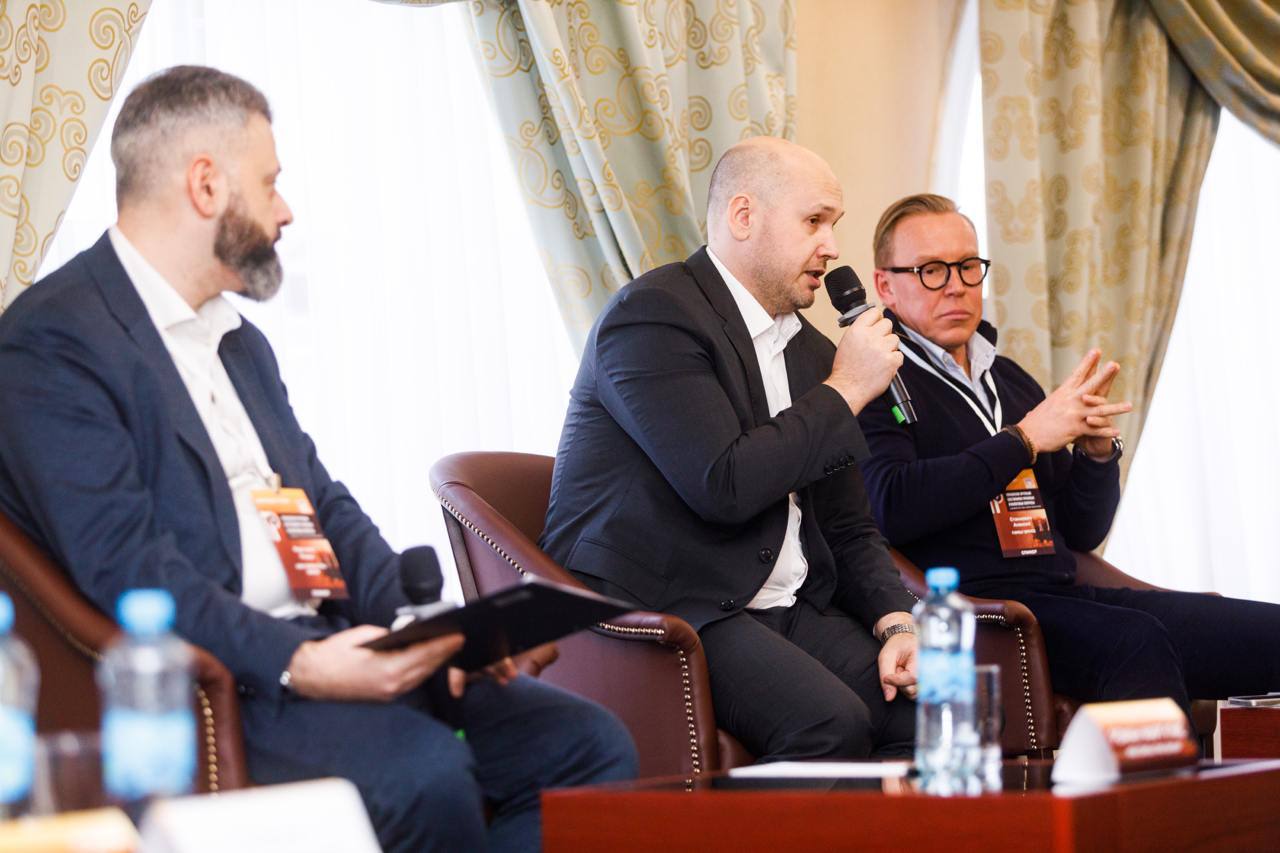
At the Pravo.ru conference "Managing Large Wealth," experts explored how recent tax reforms have fueled demand for wealth structuring tools and how approaches to managing large wealth have evolved over the past three years. The discussion also touched on the benefits of personal trusts, closed-end mutual funds (ZPIFs), and family offices, along with the unique financial challenges they help solve.
Wealth IQ was represented by banker Anton Dzhugan, who highlighted key principles for effective wealth management:
“Clear, well-defined goals are the foundation of successful financial planning, with each goal requiring a tailored investment tool. For example, deposits preserve capital but won’t deliver returns that outpace inflation. In contrast, stocks carry higher risk but also offer the potential for substantial profits — or losses.”
“Another vital element of wealth building is maximizing the use of available tax benefits and incentives, which can significantly accelerate capital growth. Growing wealth inevitably requires taking on risk — high returns are unattainable without it. It’s also essential to avoid relying on advice from those who sell investment products. Instead, work with independent consultants who offer objective, conflict-free guidance.”
A timeless challenge in this field is the transfer and preservation of business assets. High-profile cases like Natura Siberica and Wildberries demonstrate that the topic remains as relevant as ever.
At the Pravo.ru conference "Managing Large Wealth," experts explored how recent tax reforms have fueled demand for wealth structuring tools and how approaches to managing large wealth have evolved over the past three years. The discussion also touched on the benefits of personal trusts, closed-end mutual funds (ZPIFs), and family offices, along with the unique financial challenges they help solve.
Wealth IQ was represented by banker Anton Dzhugan, who highlighted key principles for effective wealth management:
“Clear, well-defined goals are the foundation of successful financial planning, with each goal requiring a tailored investment tool. For example, deposits preserve capital but won’t deliver returns that outpace inflation. In contrast, stocks carry higher risk but also offer the potential for substantial profits — or losses.”
“Another vital element of wealth building is maximizing the use of available tax benefits and incentives, which can significantly accelerate capital growth. Growing wealth inevitably requires taking on risk — high returns are unattainable without it. It’s also essential to avoid relying on advice from those who sell investment products. Instead, work with independent consultants who offer objective, conflict-free guidance.”